Overview
Overview
Overview
The lecture is usually held in German. We ask for your understanding.
Inaugural and Farewell Lectures

Note
Please note: Traditionally the event is photographed. If you do not wish to appear in pictures, please contact the present photographer directly.
Past inaugural and farewell lectures
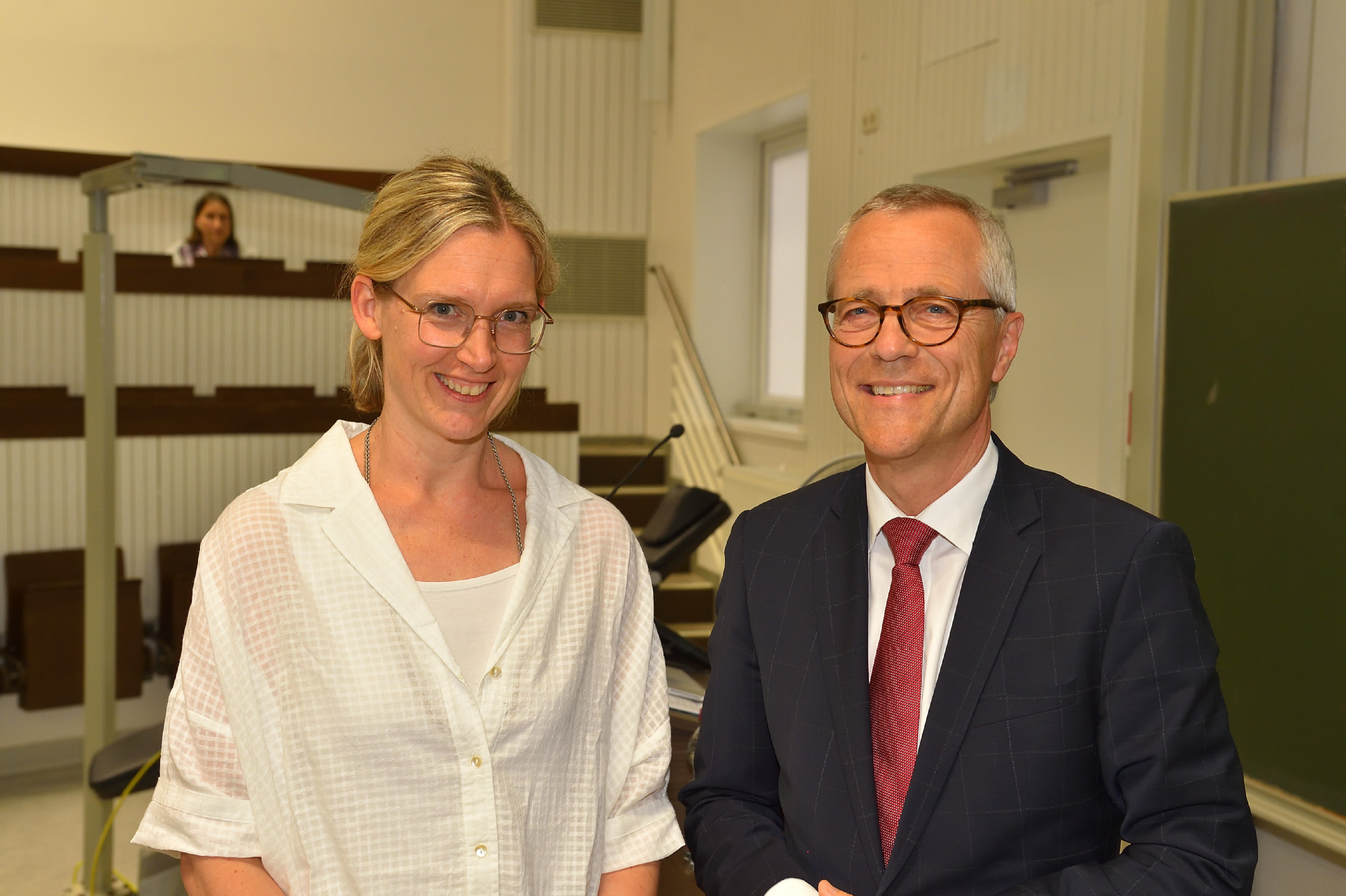
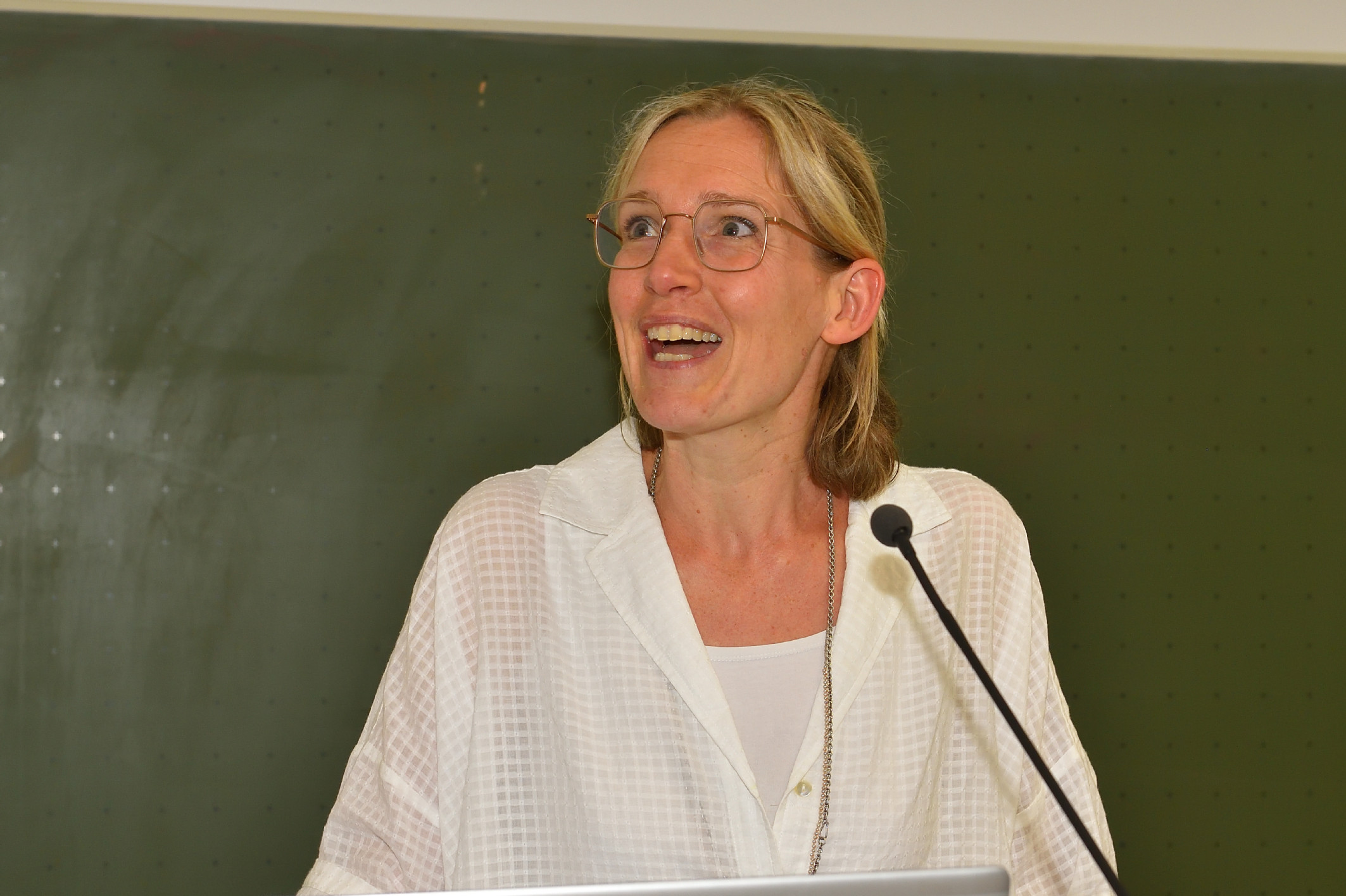
Inaugural lecture Univ.-Prof. Dr. med. Nadine Lehnen

A new understanding of functional body complaints
Functional physical symptoms such as paralysis, dizziness, fatigue, diarrhea, coordination problems, pain, or itching are common. They significantly impair participation in daily life and quality of life and are highly relevant from a socioeconomic perspective. Physical dysfunction alone does not provide a sufficient explanation.
This presentation will introduce a fundamentally new, neuroscience-based understanding of functional physical symptoms, along with proof-of-concept evidence obtained through a computational-experimental approach. The findings will be translated into psychosomatic and psychotherapeutic care.
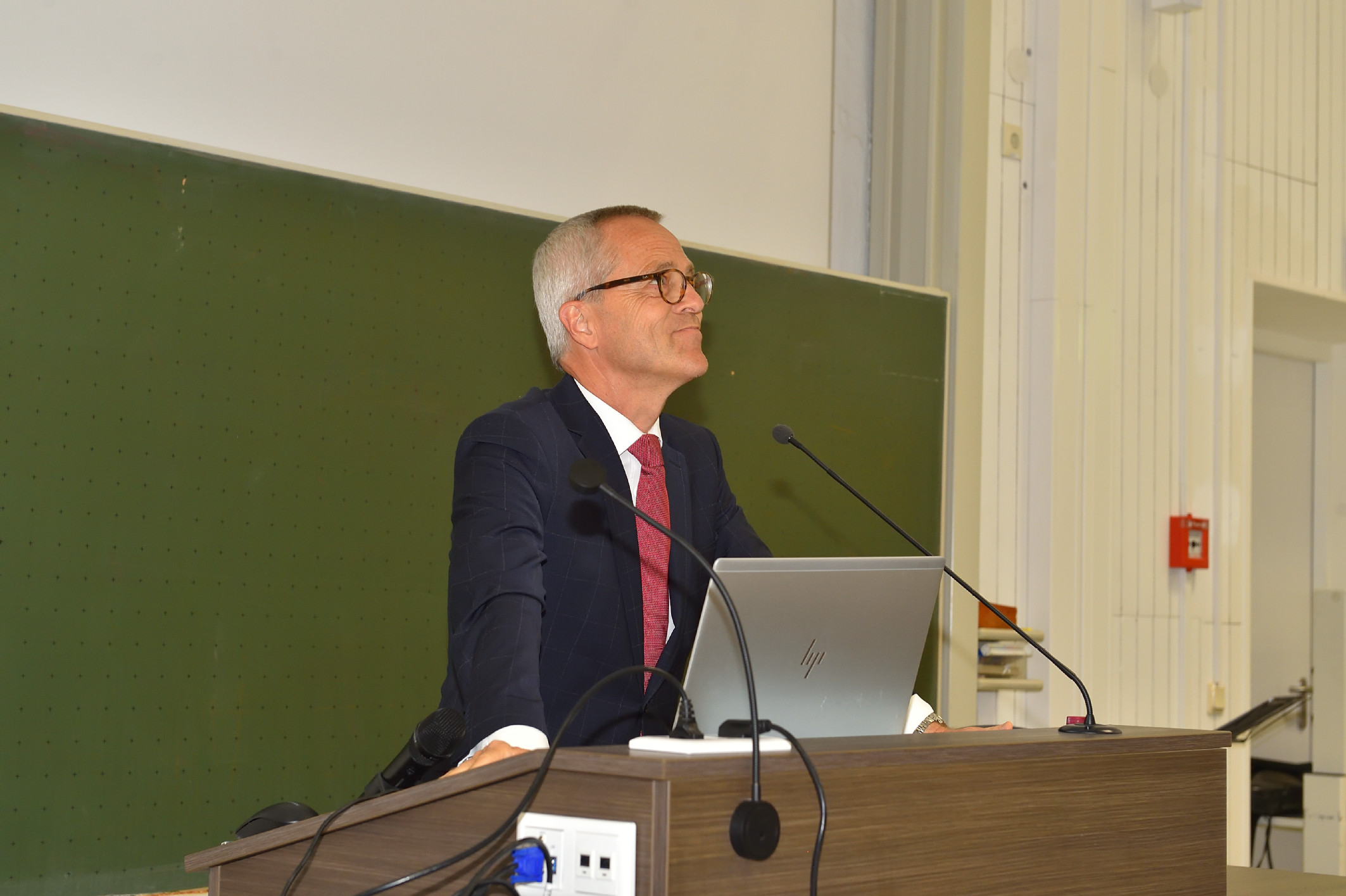
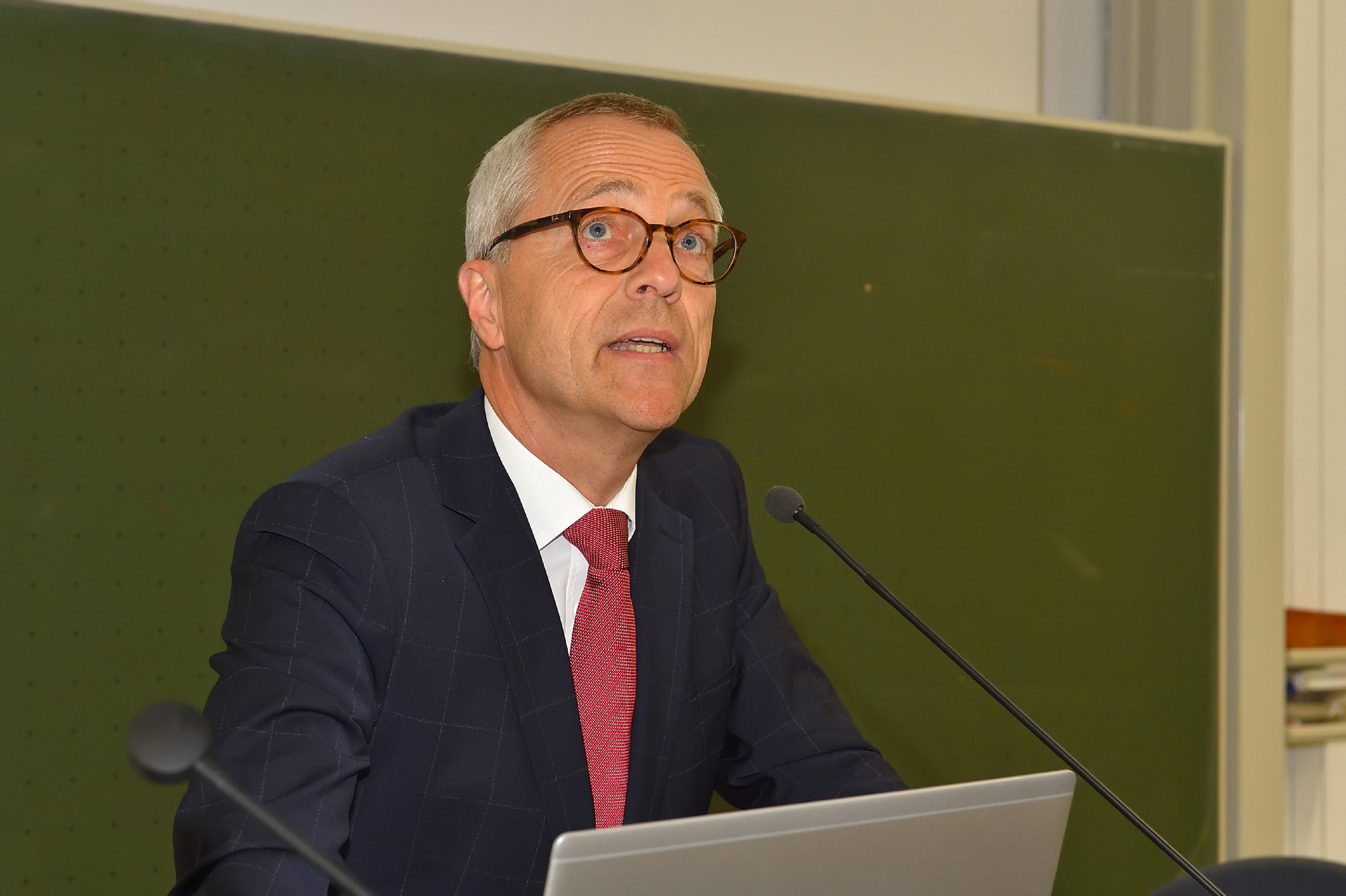
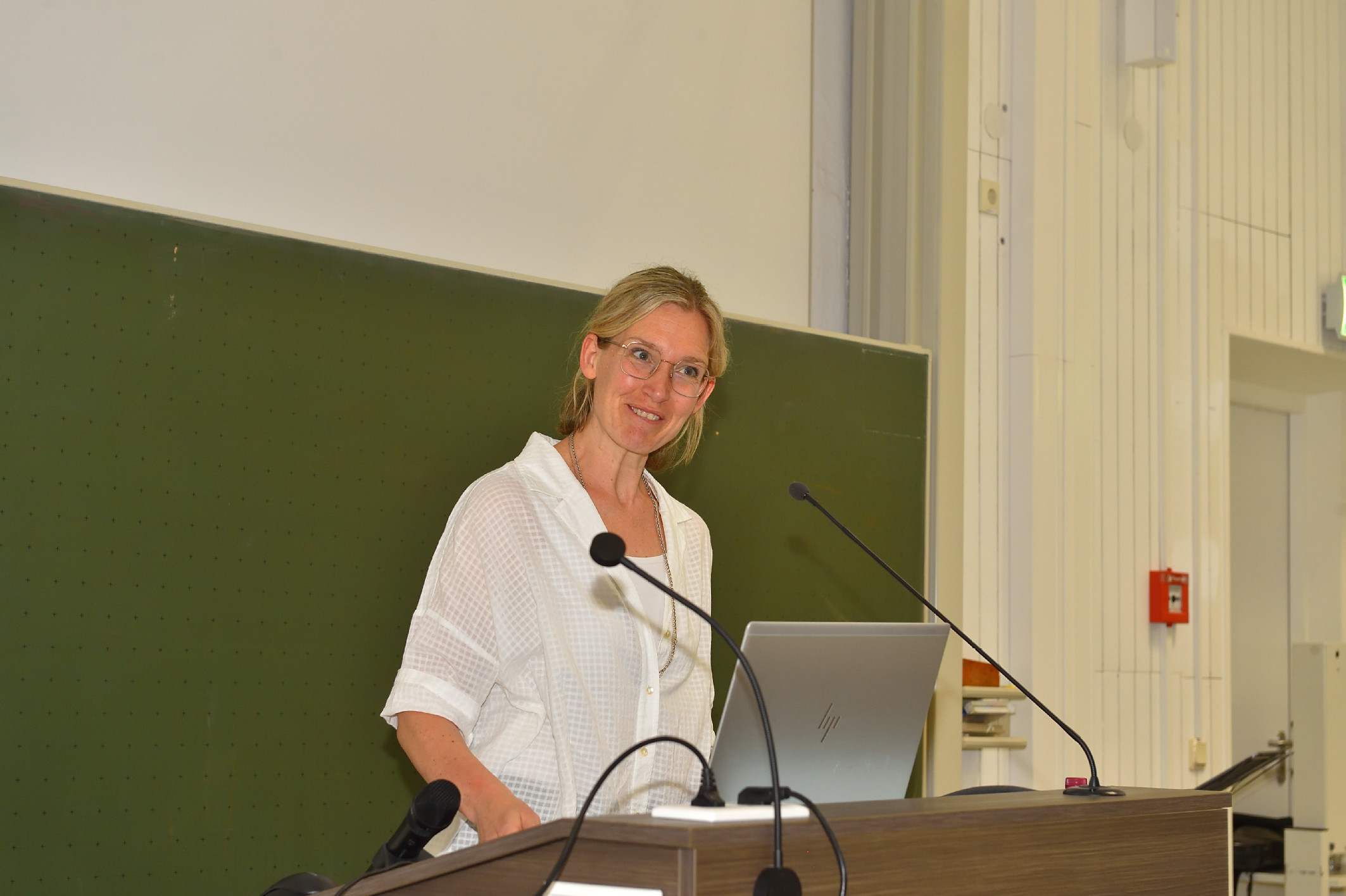
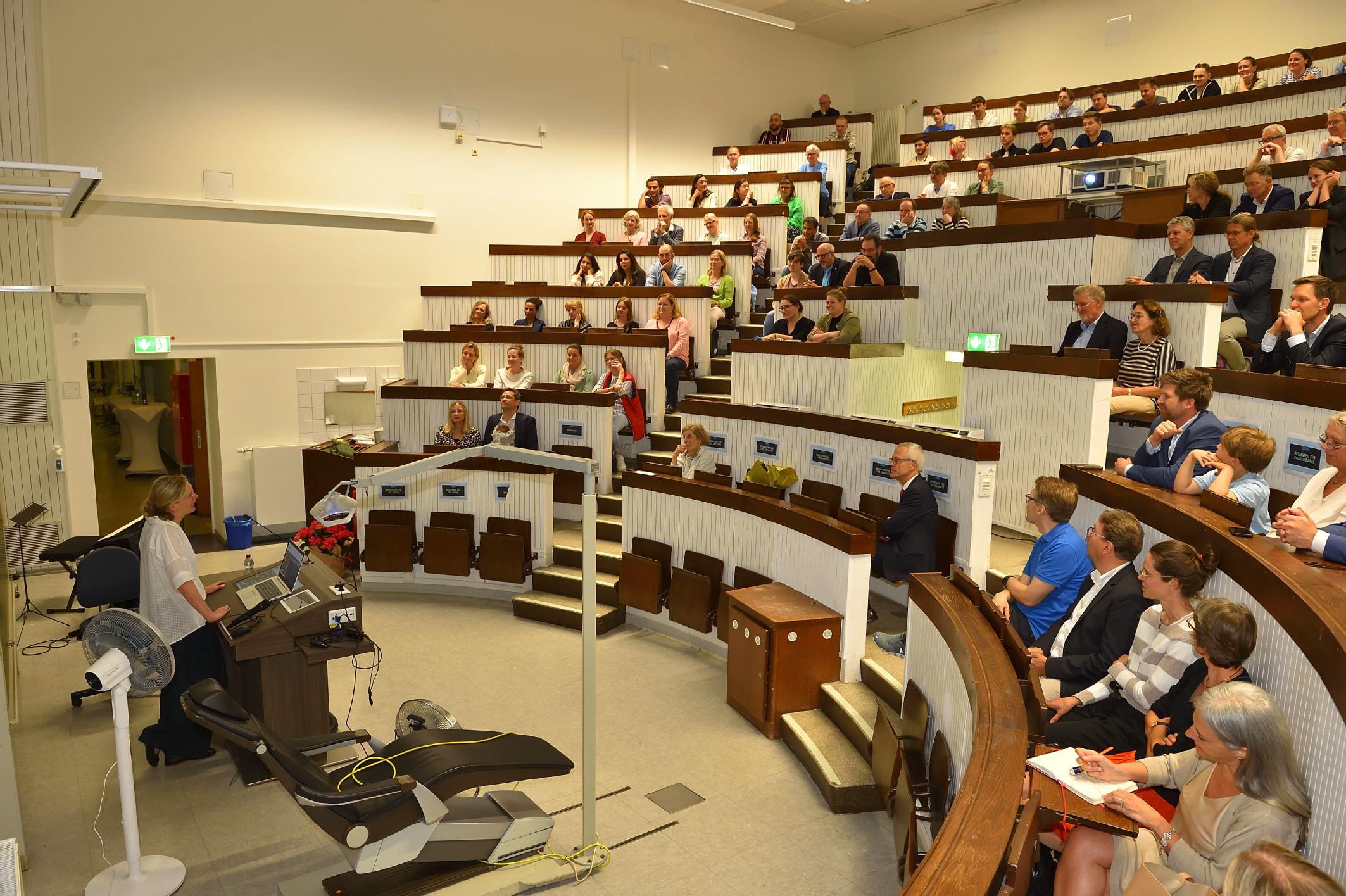
Pictures: Thies Schöning, MedizinFotoKöln
Upcoming event
Inaugural lecture Univ.-Prof. Dr. med. Andreas Horn

The measured brain - from Penfield to Python
How can the "measured" brain be measured? From Wilder Penfield's cortical stimulation maps to today's network models of brain stimulation, our view has shifted from the individual location to the distributed circuit. Lesions and stimulation sites now allow causal conclusions to be drawn about disease-relevant networks - about dysregulated, in a sense "measured" circuits of the human brain. On this basis, a new form of personalized neuromodulation is emerging that integrates genetic, structural and functional information. The lecture outlines this paradigm shift - and asks how targeted interventions can restore disturbed brain functions.
Inaugural lecture by Prof. Dr. med. Christoph Neumann-Haefelin

Only a healthy liver grows with its tasks
Liver diseases are among the most common causes of death worldwide. In the last 20 years, however, hepatology has made enormous progress and almost all liver diseases are now easily treatable or even curable. In his inaugural lecture, Prof. Neumann-Haefelin will show how a healthy lifestyle and early diagnosis and treatment of liver diseases protect the liver and what role the immune system plays in this.
Monday, 23.03.2026
LFI building, lecture hall 1
18.00 c.t.
Joint inaugural lecture by University Professor Dr. Tanja Groten and University Professor Dr. Florin Andrei Taran

Prof. Dr. med. Tanja Groten: Pregnancy as a footprint for two
For a long time, the medical focus during pregnancy has been on the child. However, pregnancy affects the health of not only the child but also the mother in many ways: Physical, hormonal and psychological changes during pregnancy influence both its course and the longer-term health for both. In her inaugural lecture, Prof. Dr. Tanja Groten will shed light on the influences that pregnancy can have on the health of mothers and children and family health behavior, and how the footprint of pregnancy can affect mother and child in the long term.
Prof. Dr. med. Florin-Andrei Taran: Gynaecology in transition: the art of de-escalation
Modern gynecology is increasingly seen as a field of precision medicine, especially in the oncological context. Precision medicine here means that diagnostics and treatment are no longer based on the "one size fits all" principle, but on the individual biological, genetic and molecular characteristics of the patient or tumor. In his inaugural lecture, Prof. Dr. Florin-Andrei Taran will show how a patient-centric approach in modern gynaecology can be used to specify and thus de-escalate treatment against the backdrop of new diagnostic and therapeutic options.
Monday, December 8, 2025
Lecture hall 1, LFI, building 13
6.15 pm
public Farewell lecture
Farewell lecture by Prof. Dr. med. Rita Schmutzler


Univ.-Prof. Dr. med. Rita Schmutzler
Director, Center for Familial Breast and Ovarian Cancer
on the topic
"From prediction to prevention"
Around a third of common solid tumor diseases are attributable to genetic risk factors. Knowledge of these risk factors enables individual risk prediction. Hereditary breast cancer is a prime example of this. The Center for Familial Breast and Ovarian Cancer, in collaboration with the German Consortium, has identified genetic risk factors over three decades and established risk-adapted prevention on this basis. In cooperation with the health insurance companies, this concept has been transferred to knowledge-generating care.
public Inaugural lecture
Inaugural lecture Univ.-Prof. Dr. Andrea Steinbicker


Prof. Andrea Steinbicker, MD, MPH
Director of the Clinic for Anaesthesiology and Operative Intensive Care Medicine
on the topic
"Into the future with artificial oxygen carriers"
What do iron, blood and artificial oxygen carriers have in common? It's not just Professor Steinbicker's research focus, which she combines in the clinic, research and teaching - all three aspects are aimed at supplying the organs with oxygen. Iron is used to promote the formation of red blood cells, blood transfusions are valuable suppliers of oxygen carriers in operating theaters and intensive care units, and the desire for an artificial oxygen carrier has been a human dream for decades. Find out how far research has progressed and what Professor Steinbicker can contribute during her inaugural lecture on June 30, 2025.
Copyright
All images (left): Dorothea Hensen, MedizinFotoKöln.
Public inaugural lecture
Inaugural lecture by Univ.-Prof. Dr. Nicola H. Bauer
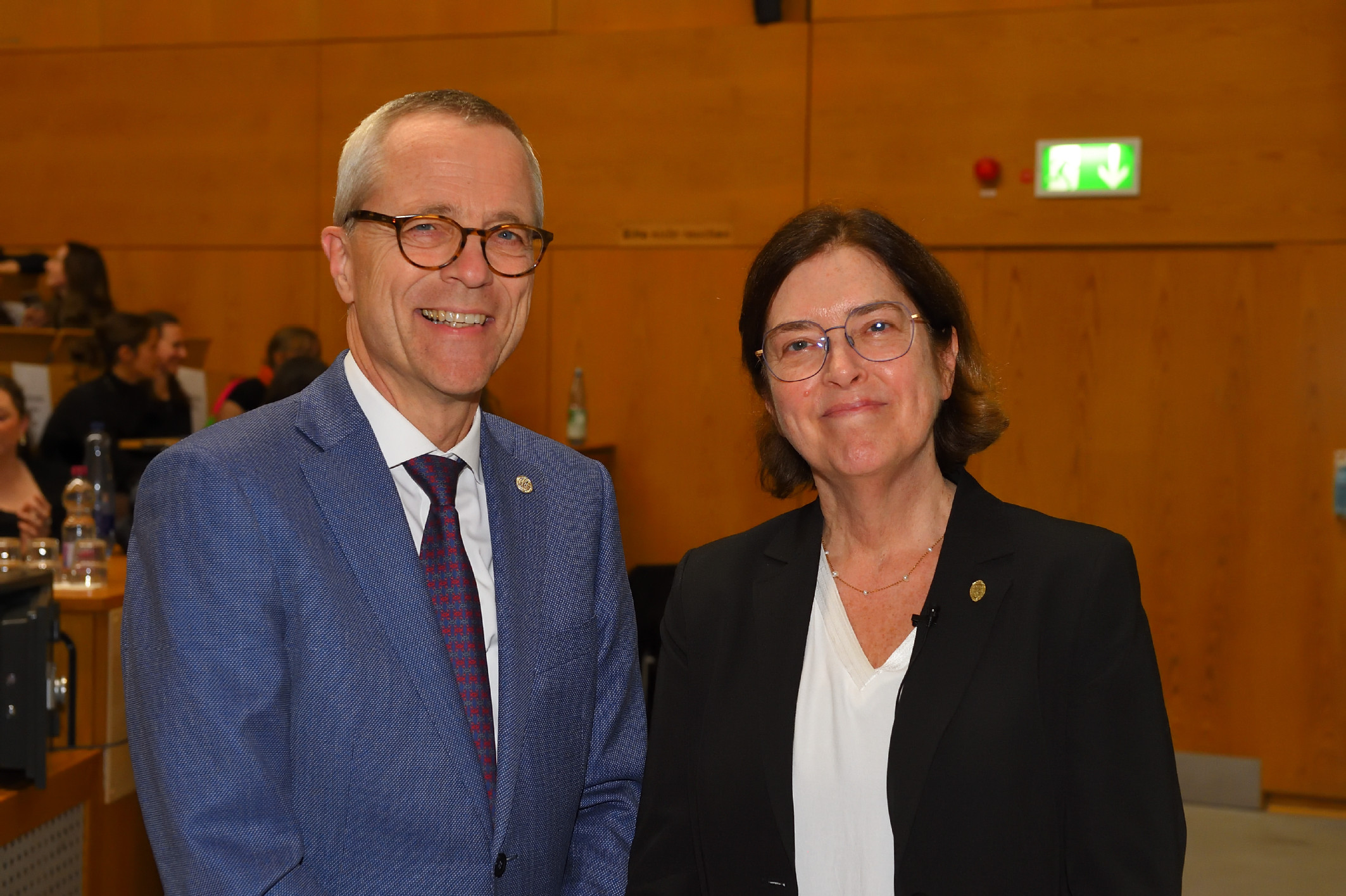
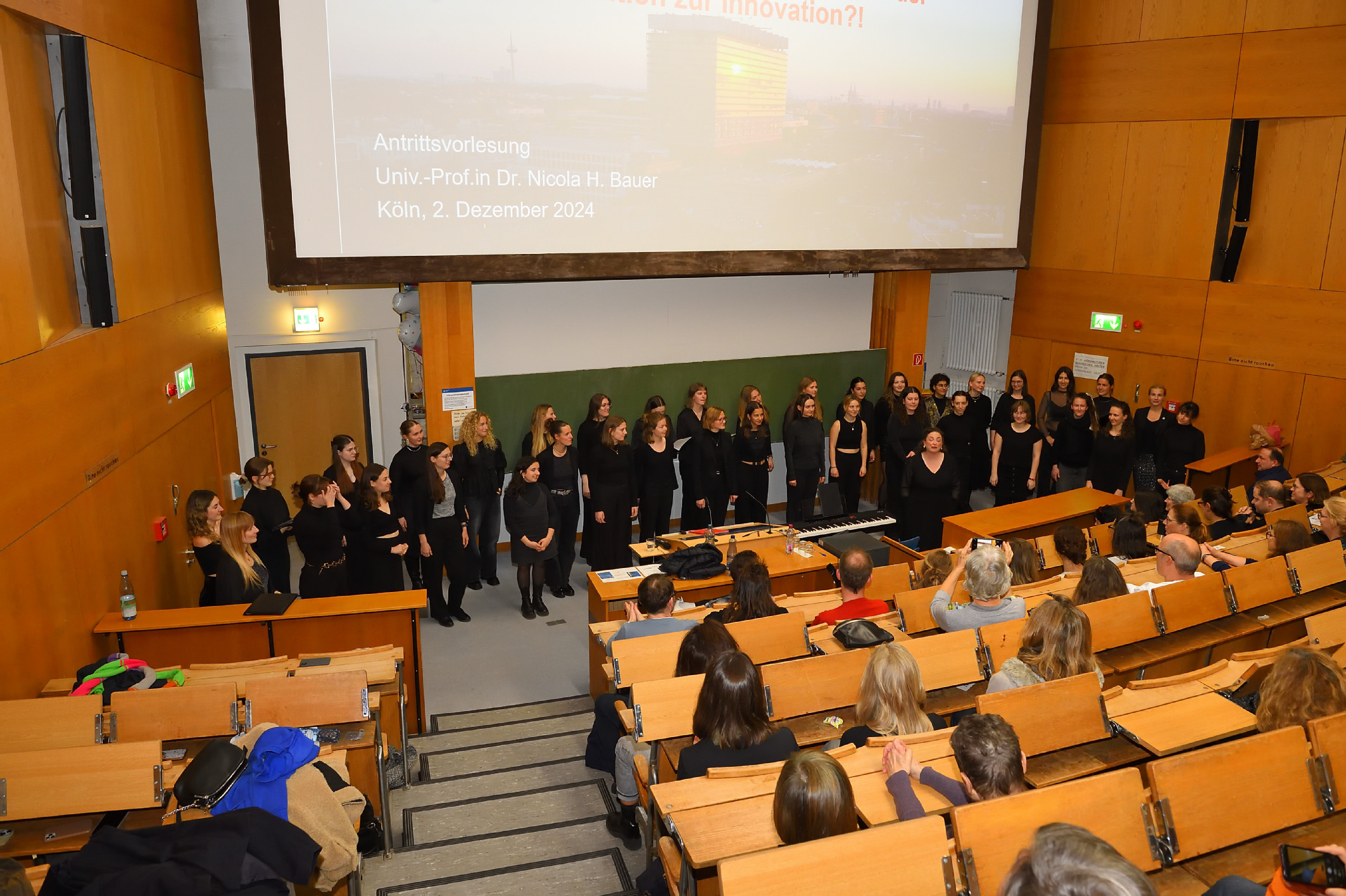
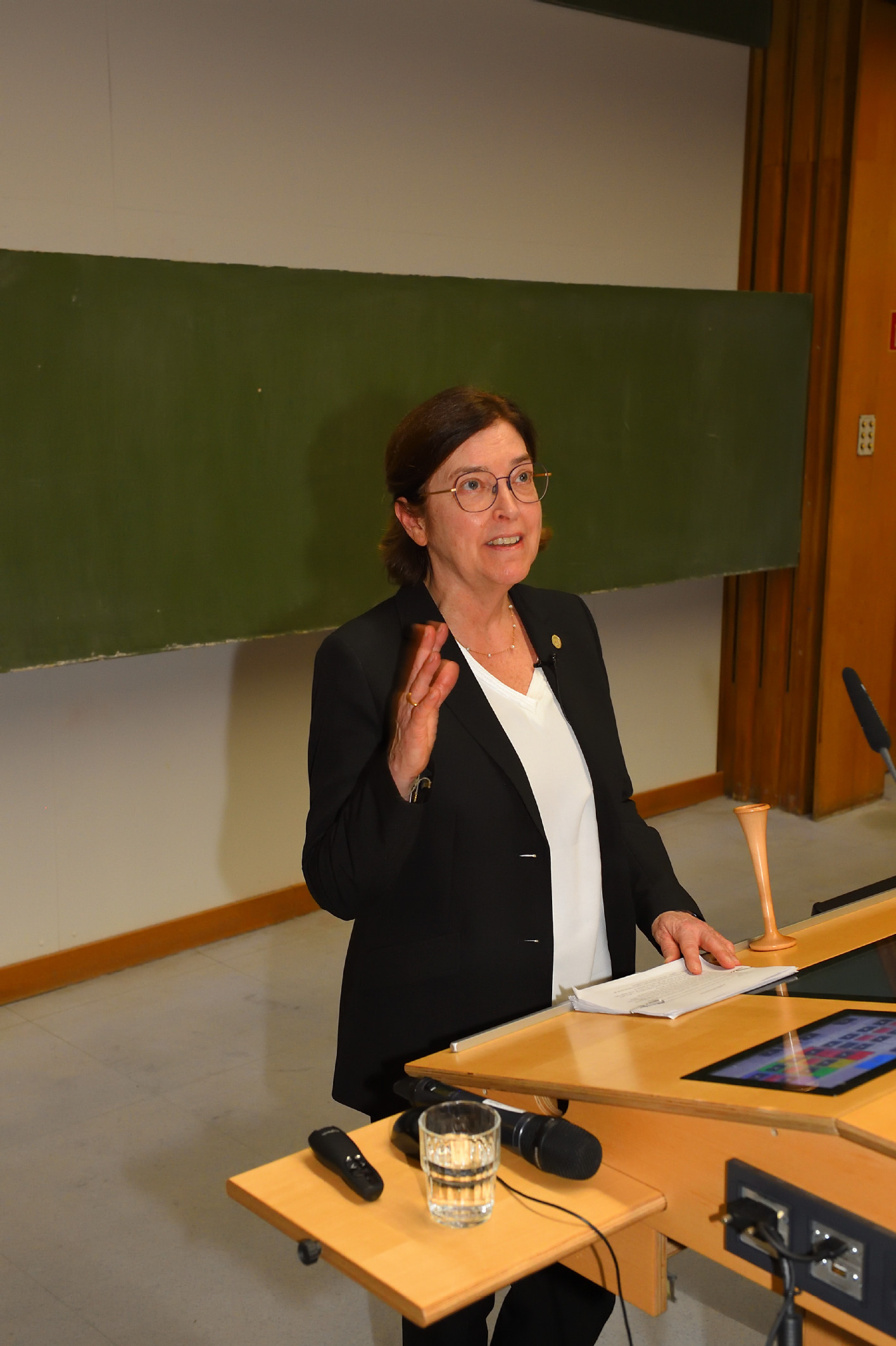
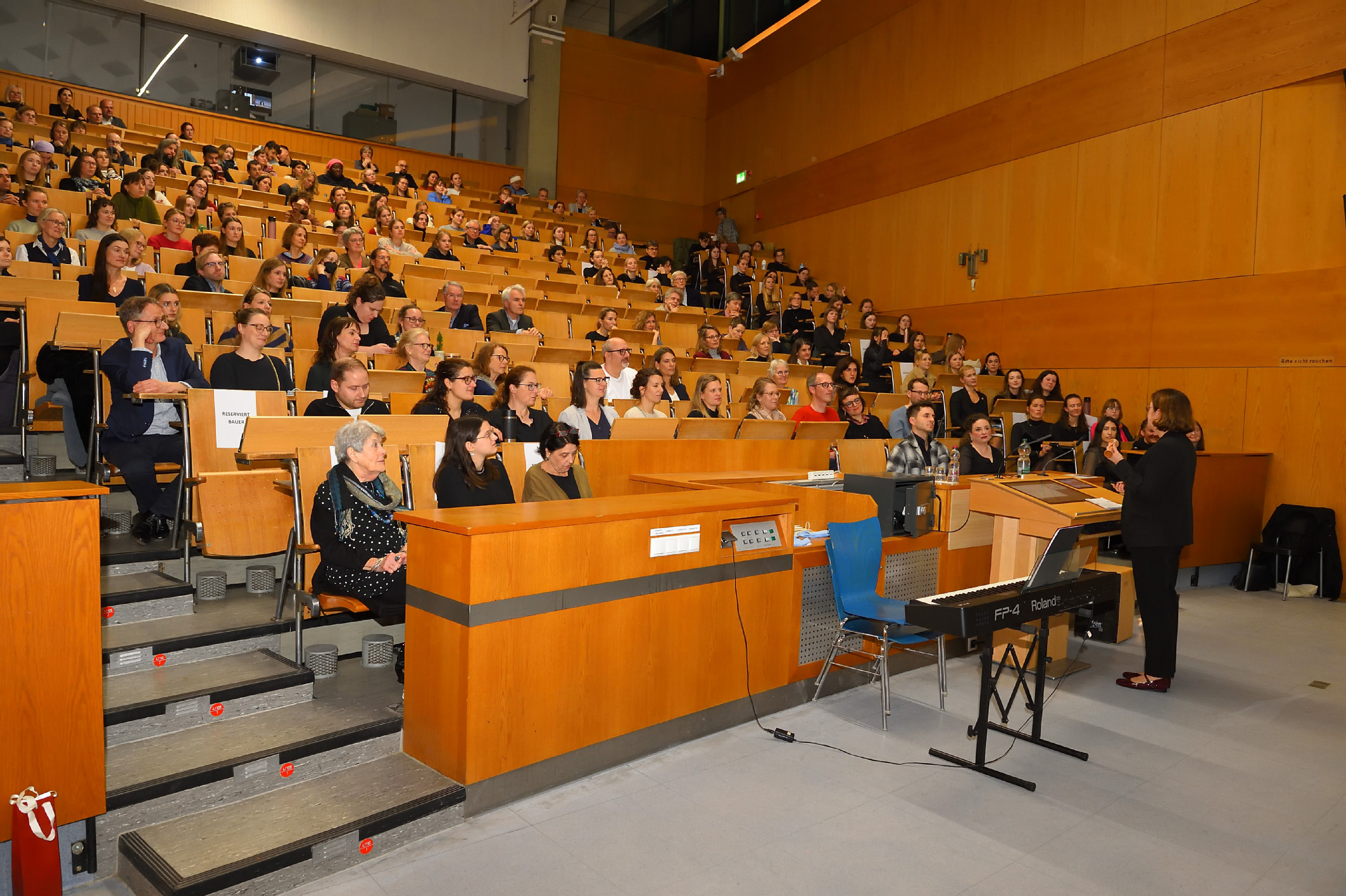
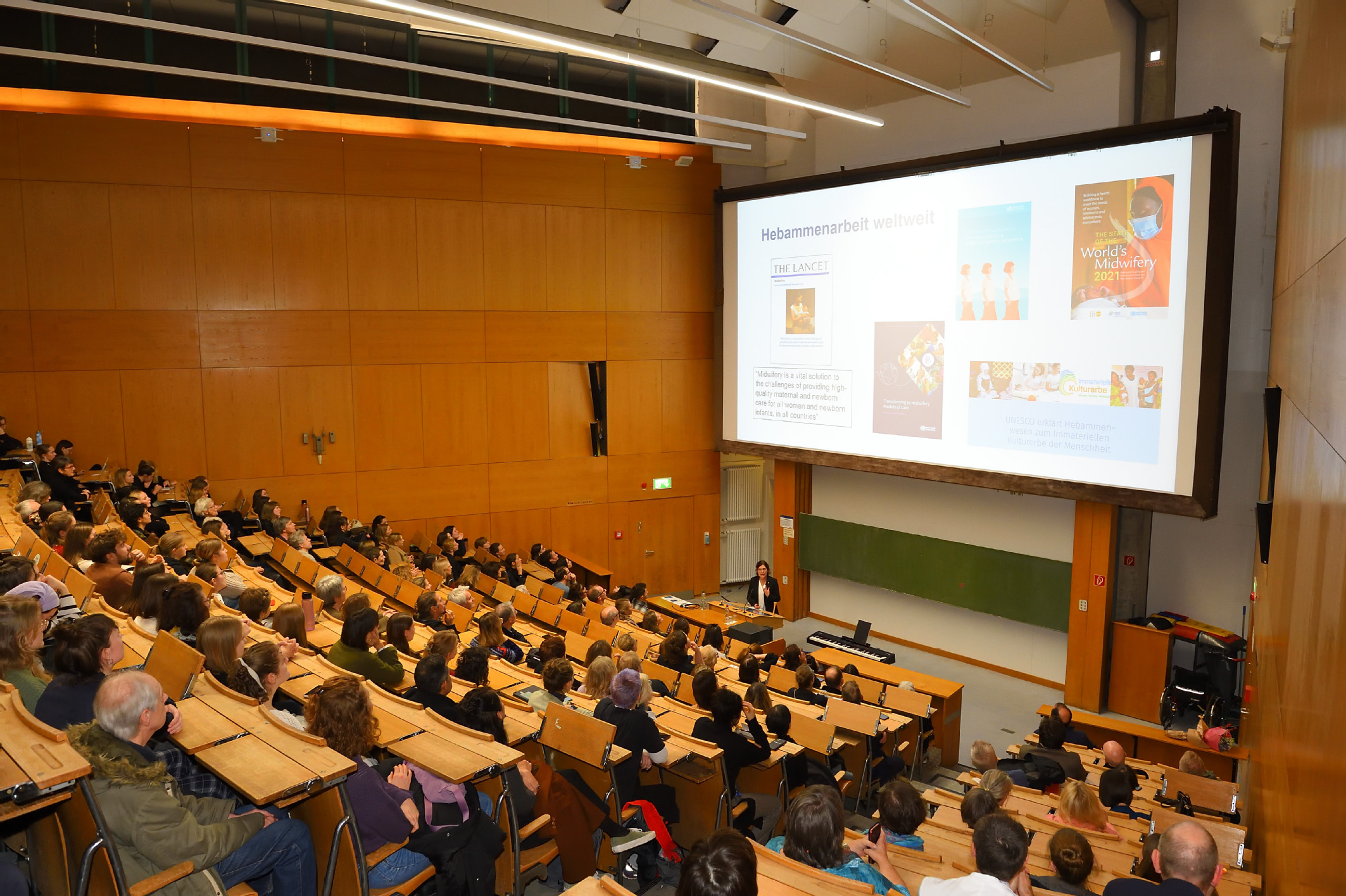
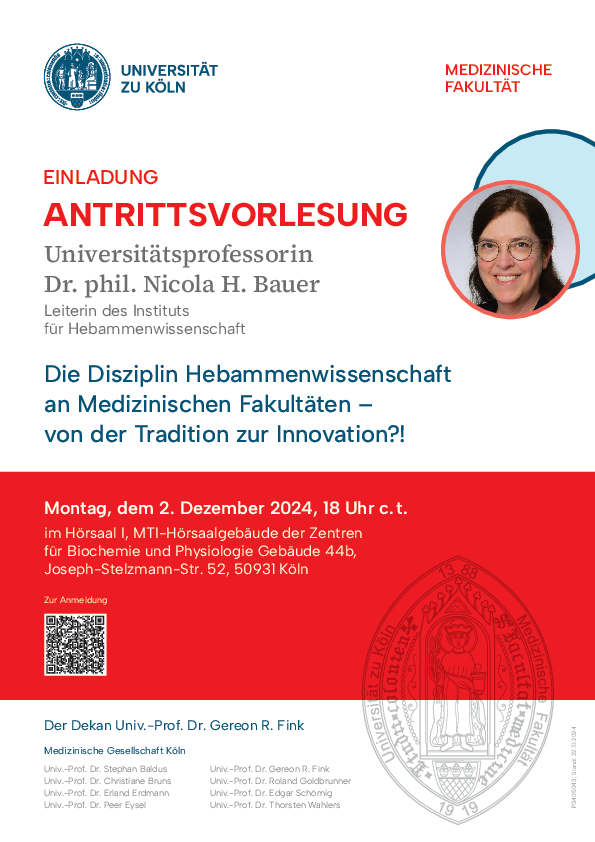
Univ.-Prof. Dr. phil. Nicola H. Bauer
Director of the Institute of Midwifery Science
on the topic
"The discipline of midwifery science at medical faculties - from tradition to innovation?"
Professor Bauer took up the newly established professorship for midwifery science at the Faculty of Medicine in April 2022 and thus also took over the management of the newly founded Institute of Midwifery Science. Alongside the establishment of the institute, she is also setting up the first NRW-wide university bachelor's degree course in Applied Midwifery Science .
Public inaugural lecture
Inaugural lecture by Univ.-Prof. Dr. med. Jonathan Jantsch
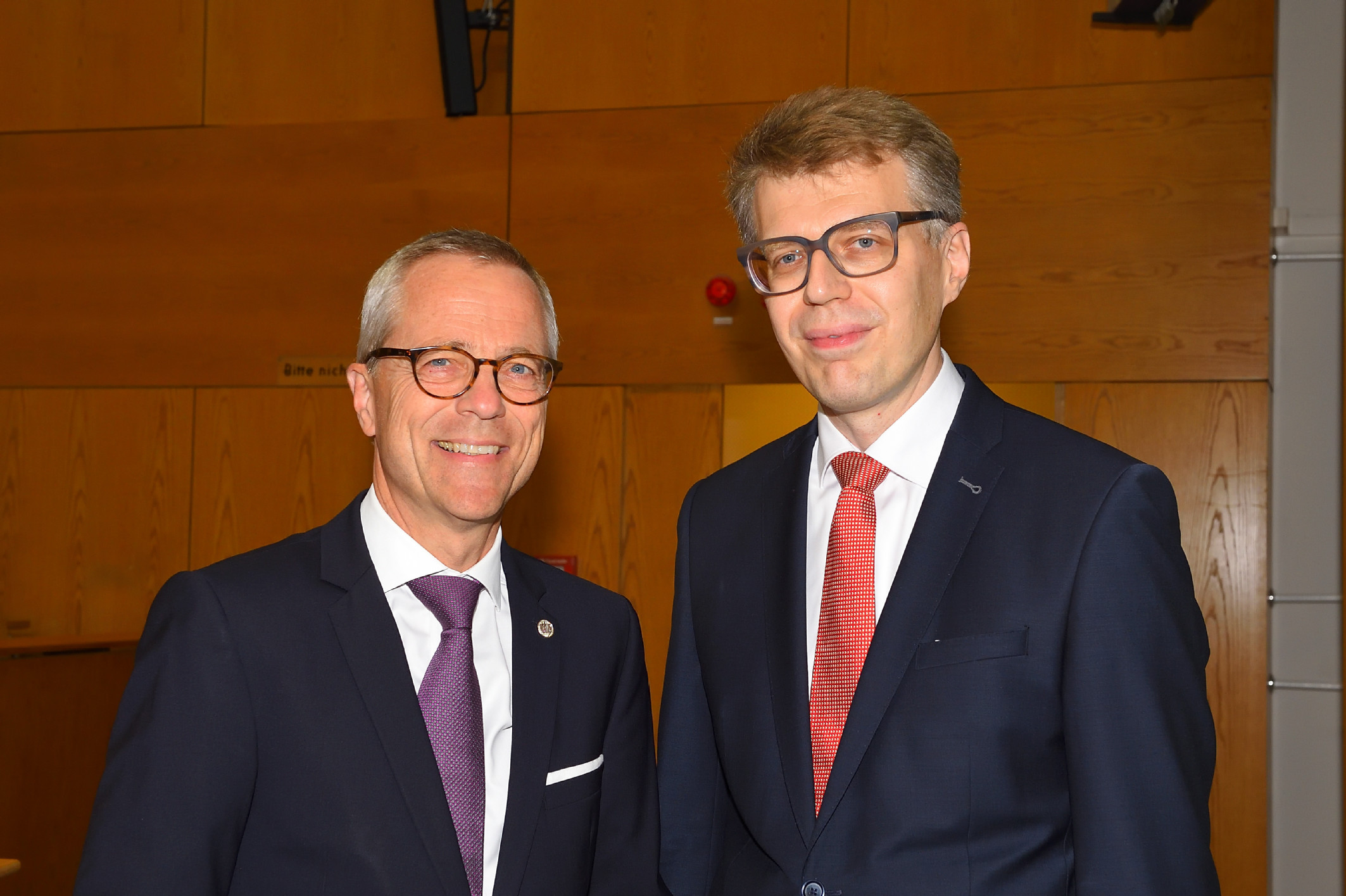
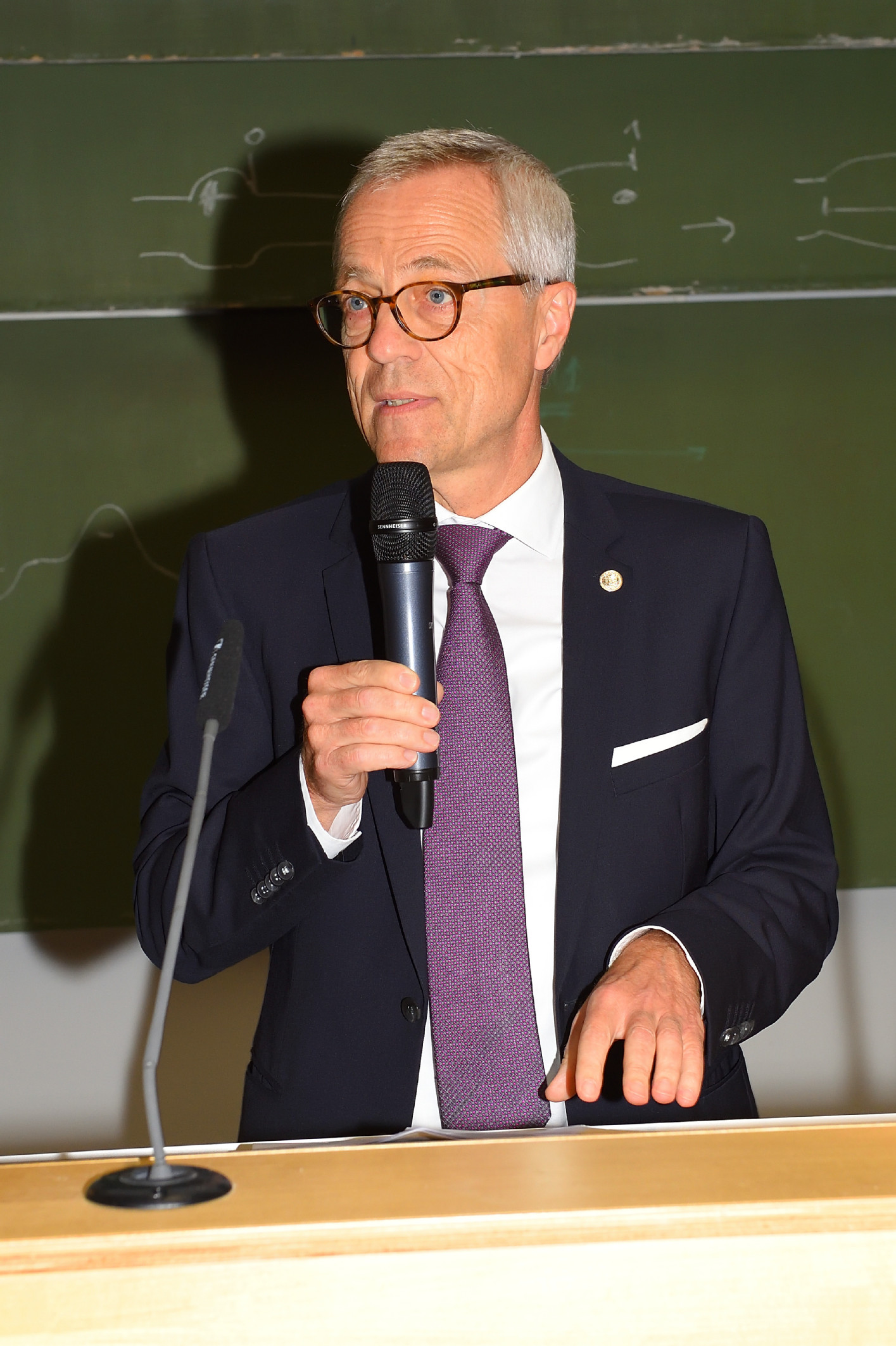
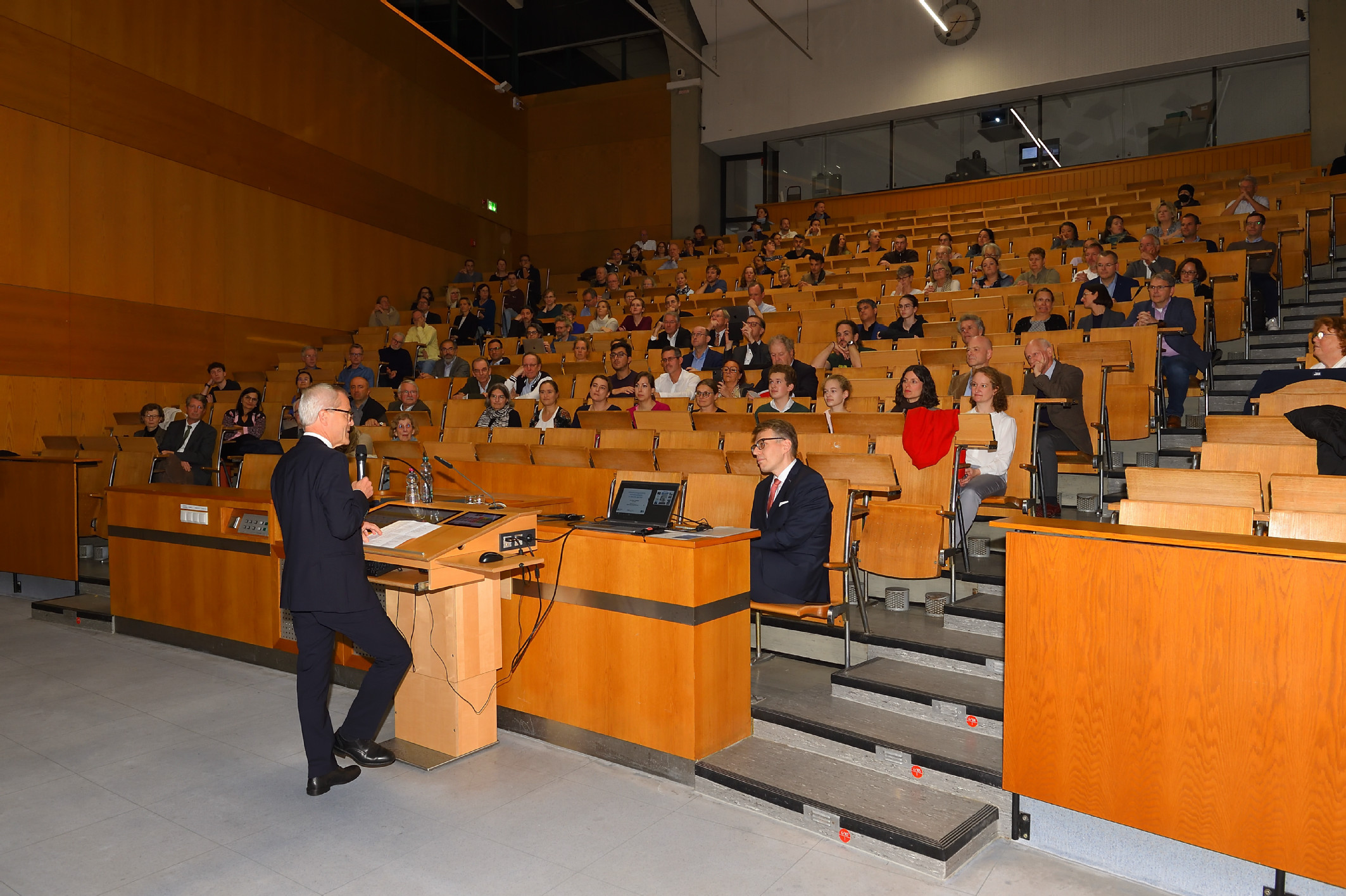
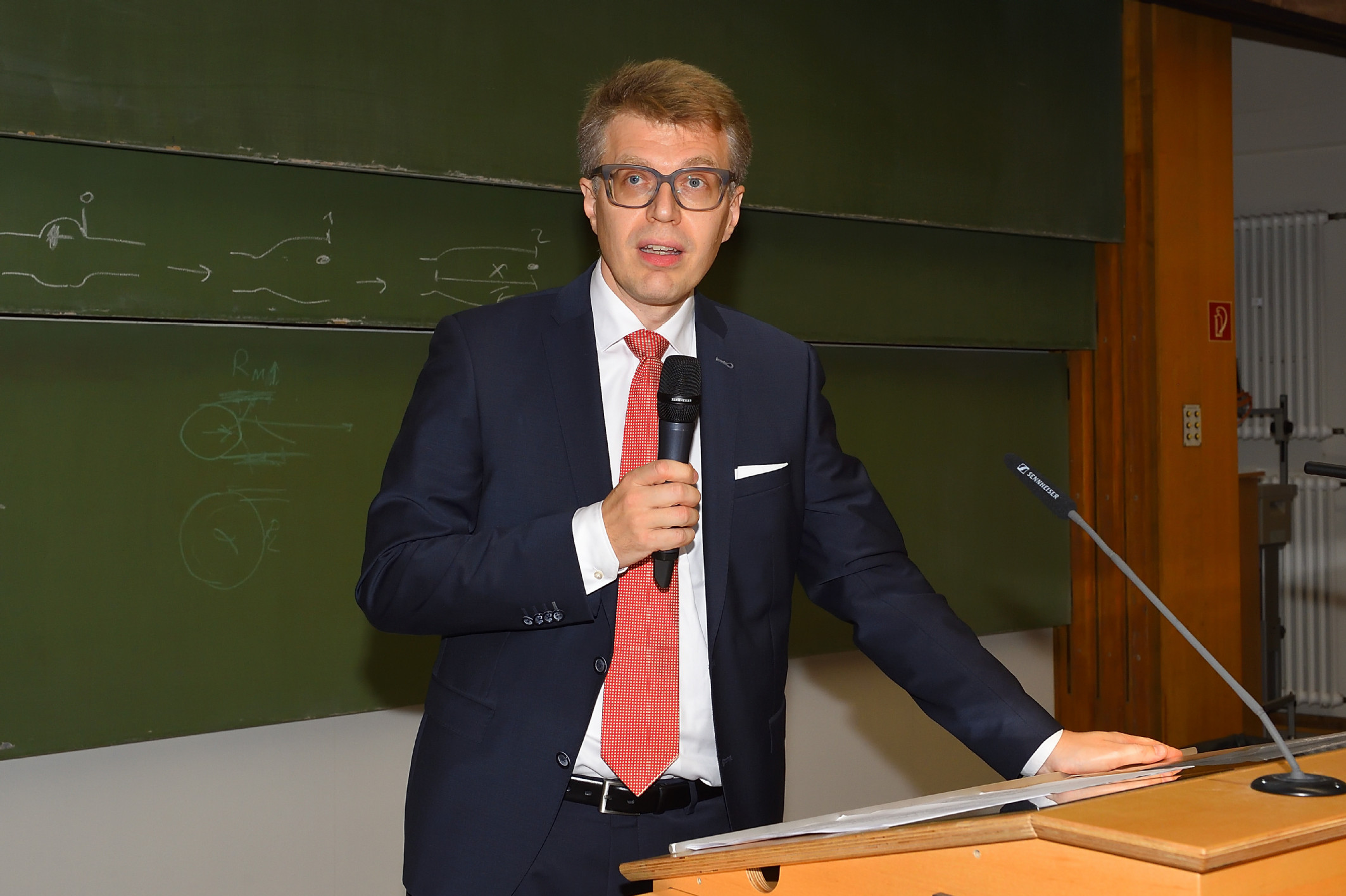
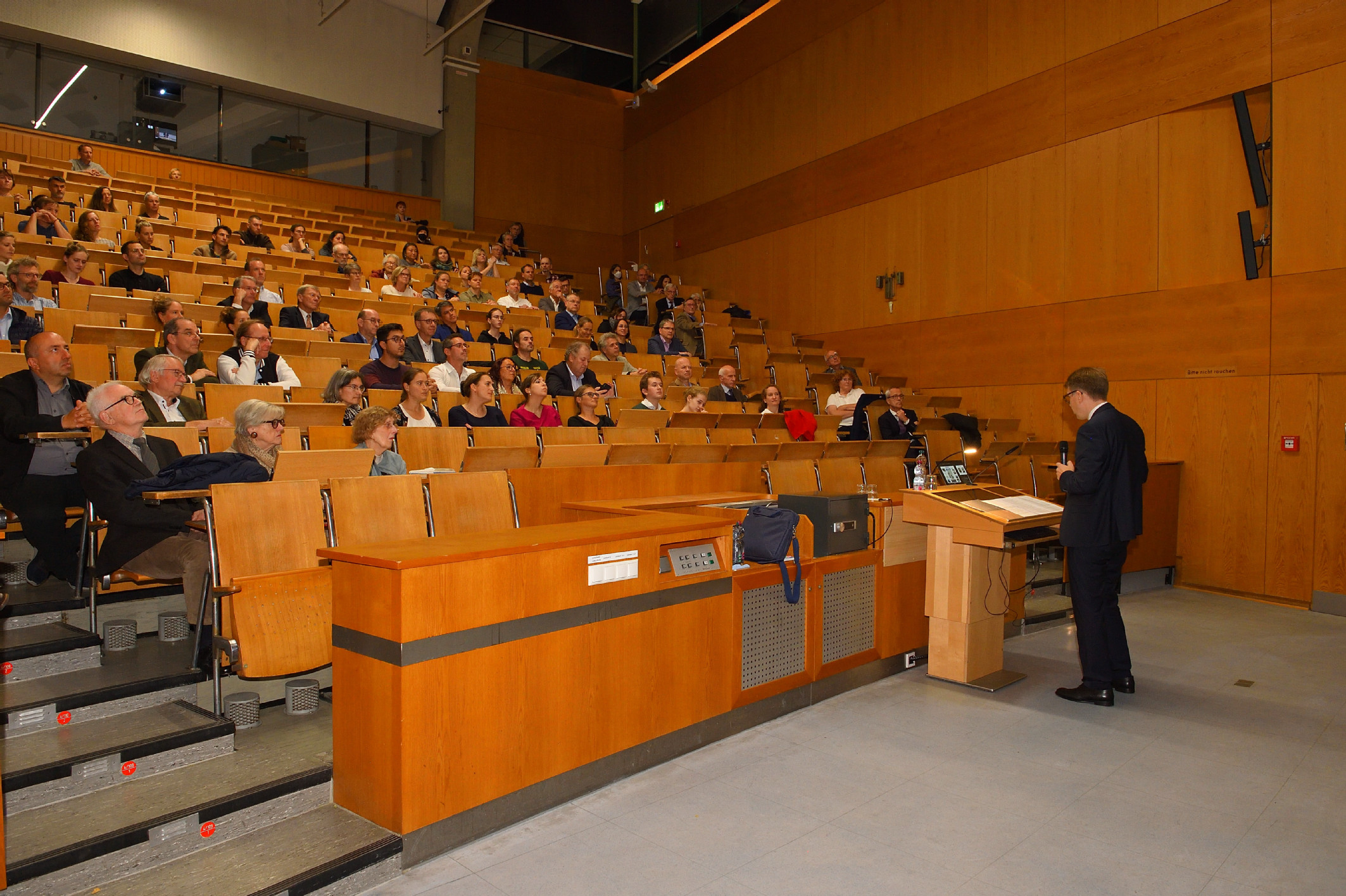
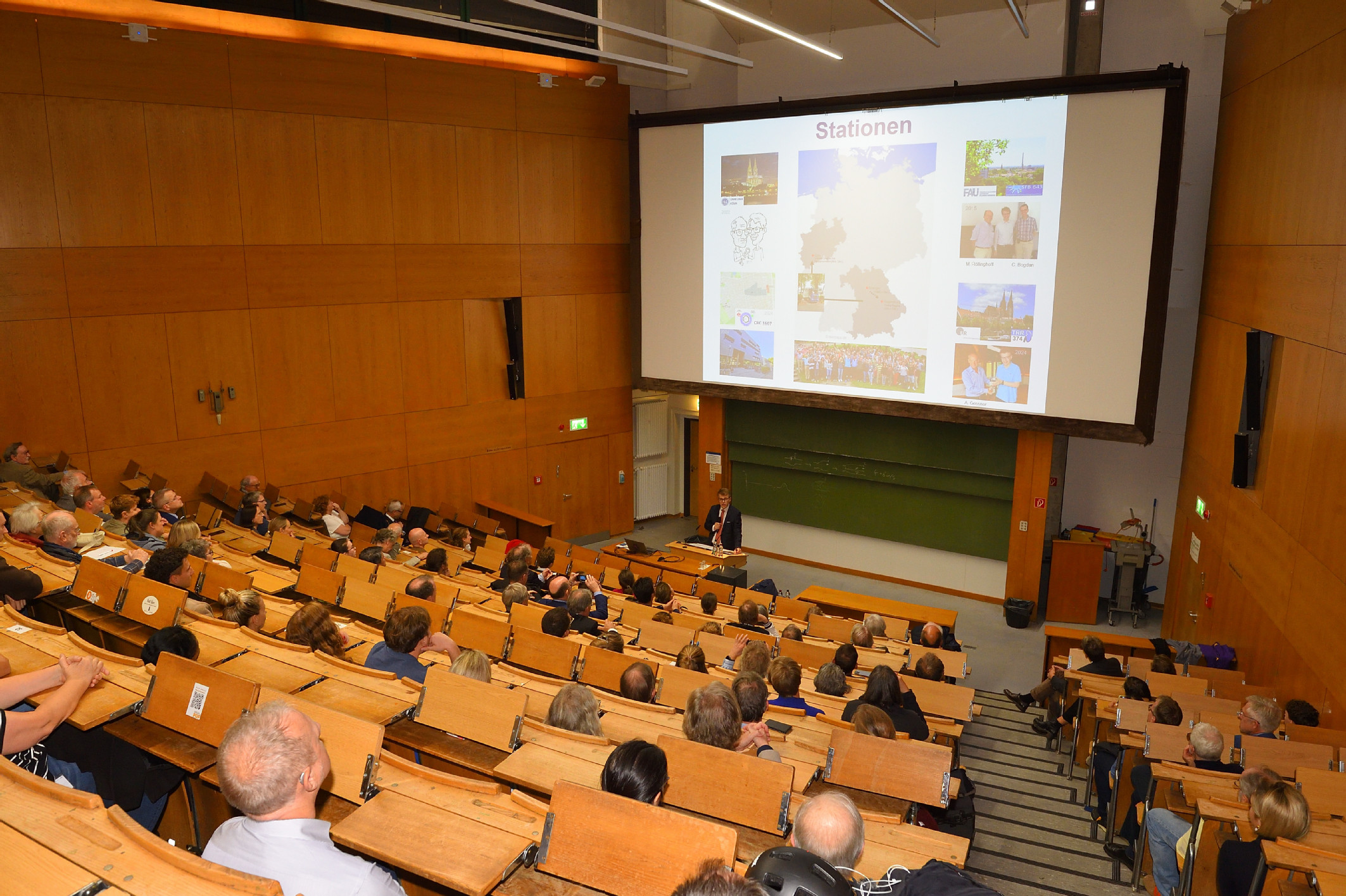
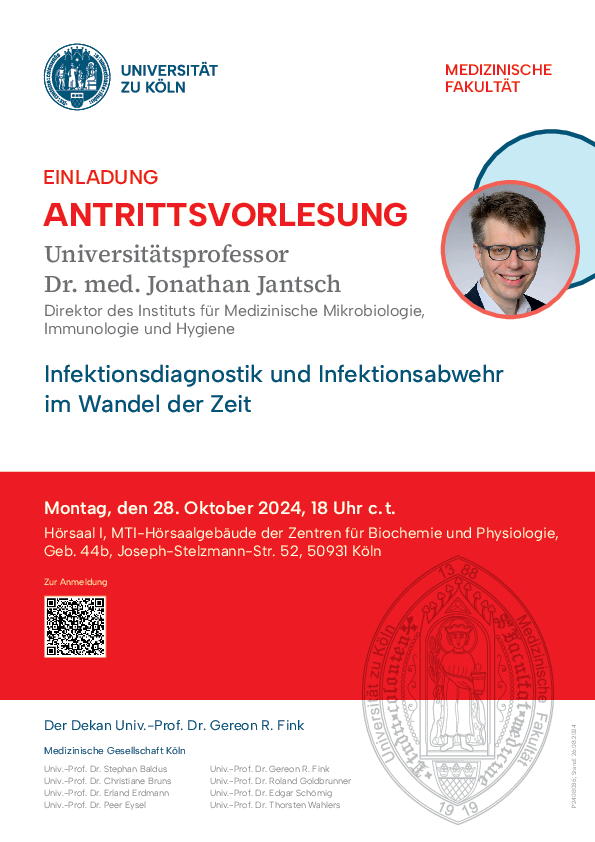
Univ.-Prof. Dr. med. Jonathan Jantsch
Director of the Institute of Medical Microbiology, Immunology and Hygiene
on the topic
"Infection diagnostics and infection defense in the course of time"
For a long time, advances in medicine and hygiene gave the impression that communicable diseases had been largely conquered. However, it was not only COVID-19 that drew the world's attention to the fatal consequences that infectious diseases still have today. In addition to the emergence of new diseases and the persistence of old infectious diseases, the increasing development of antimicrobial resistance (AMR) poses a global threat. The aim of microbiology is to decipher and diagnose infections in order to provide precise options for action for personalized medicine using the data obtained.
Farewell public lecture
Farewell lecture by Prof. Dr. med. Thorsten Wahlers
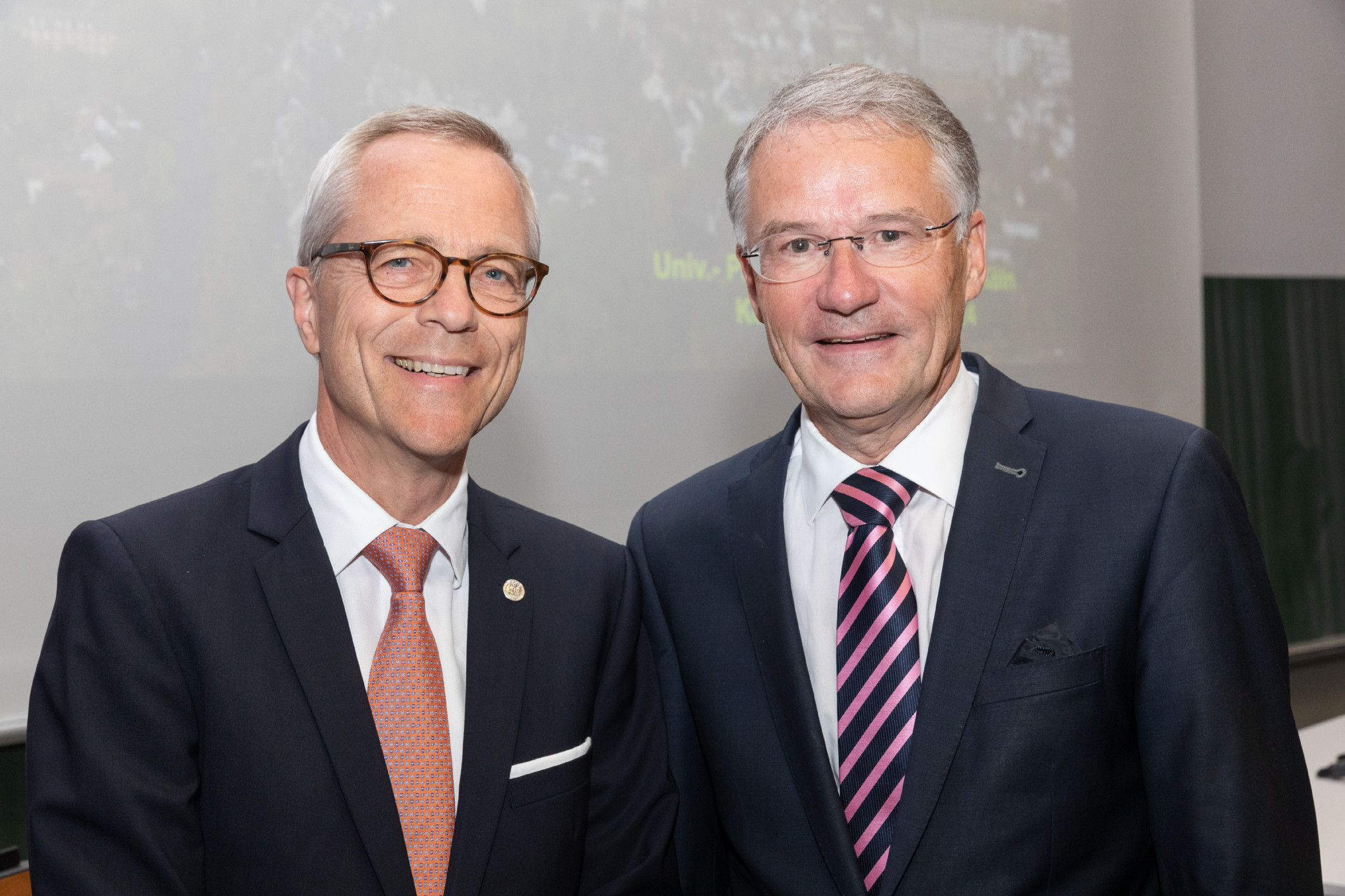
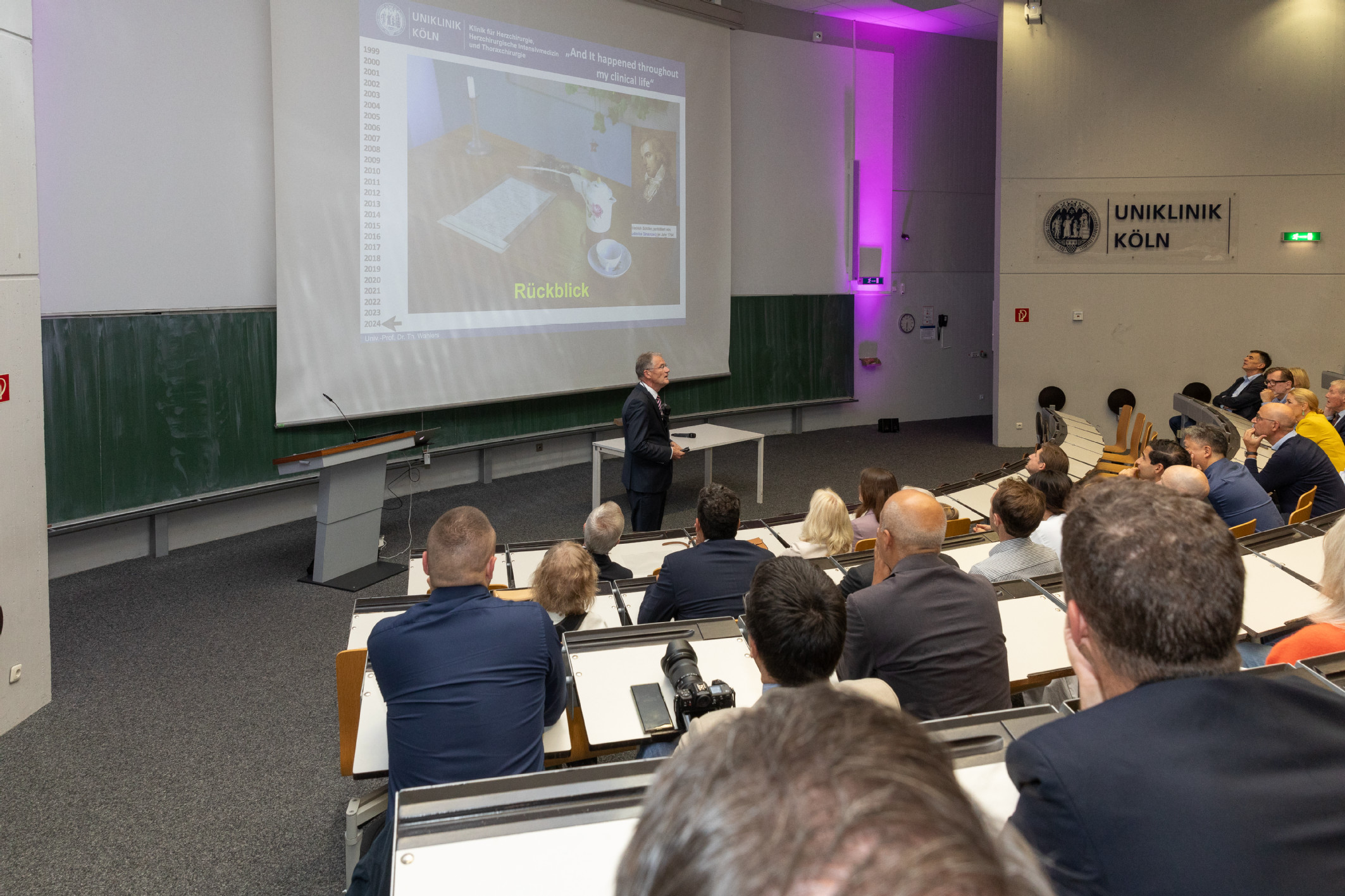
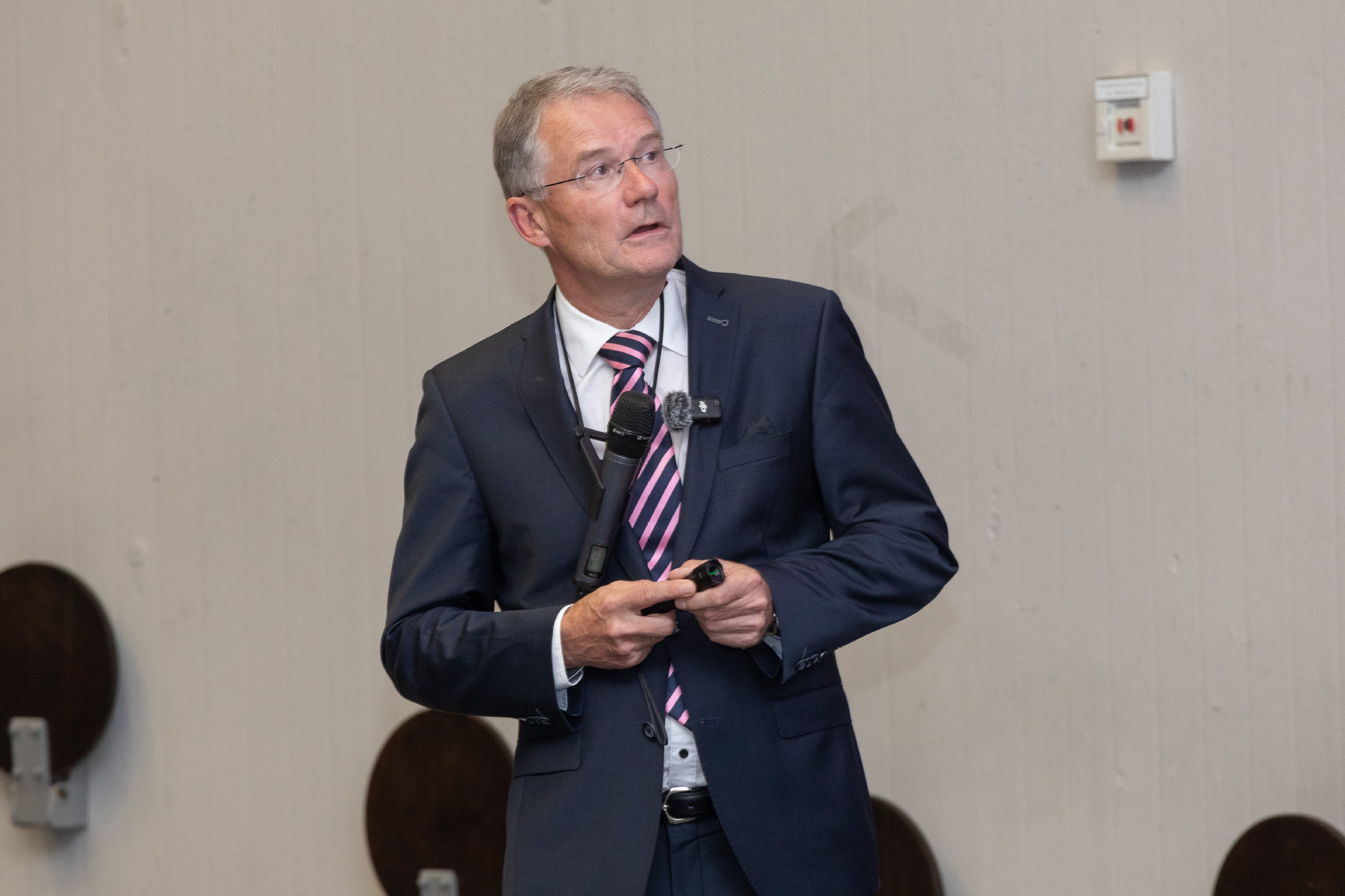

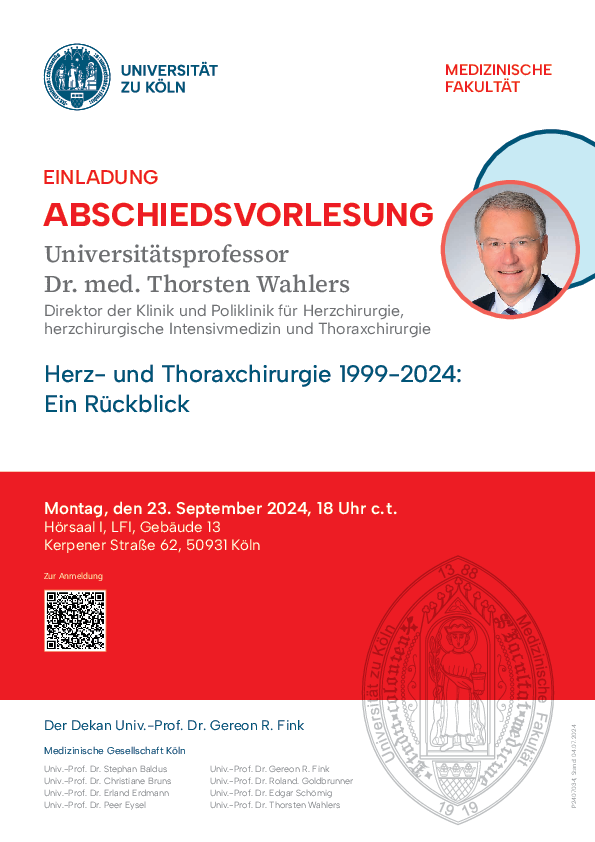
Univ.-Prof. Dr. med. Thorsten Wahlers
Director of the Clinic and Polyclinic for Cardiac Surgery, Cardiac Surgical Intensive Care Medicine and Thoracic Surgery
on the topic
"Cardiac and Thoracic Surgery 1999-2024: A Review"
Prof. Dr. Thorsten Wahlers has made a name for himself as Director of Cardiac Surgery and as Full Professor of Cardiac and Thoracic Surgery - far beyond the borders of Cologne. After 19 years at Cologne University Medicine, he handed over the clinic to his successor, Prof. Dr. Lenard Conradi, on 01.08.2024.
Farewell public lecture
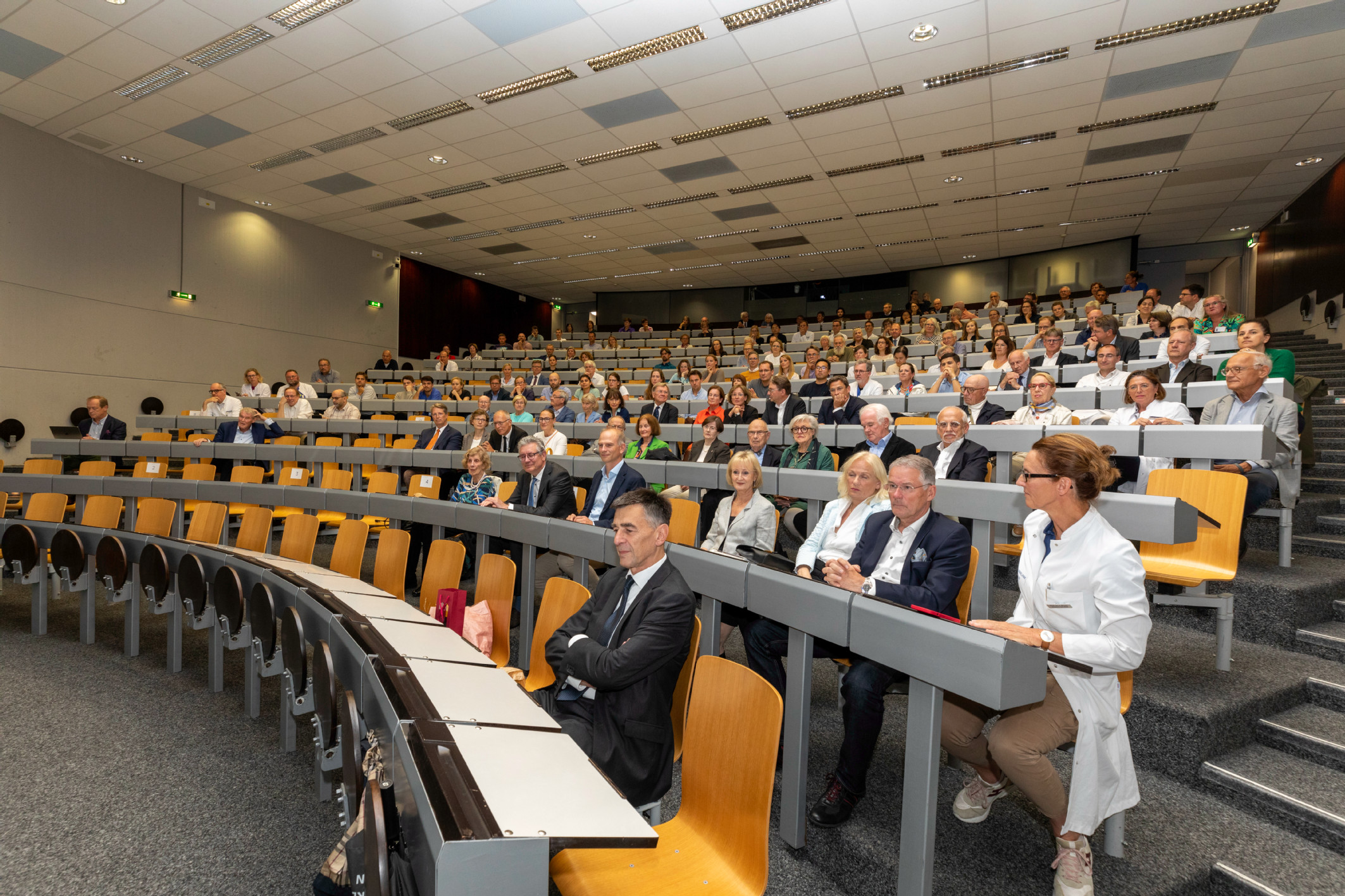
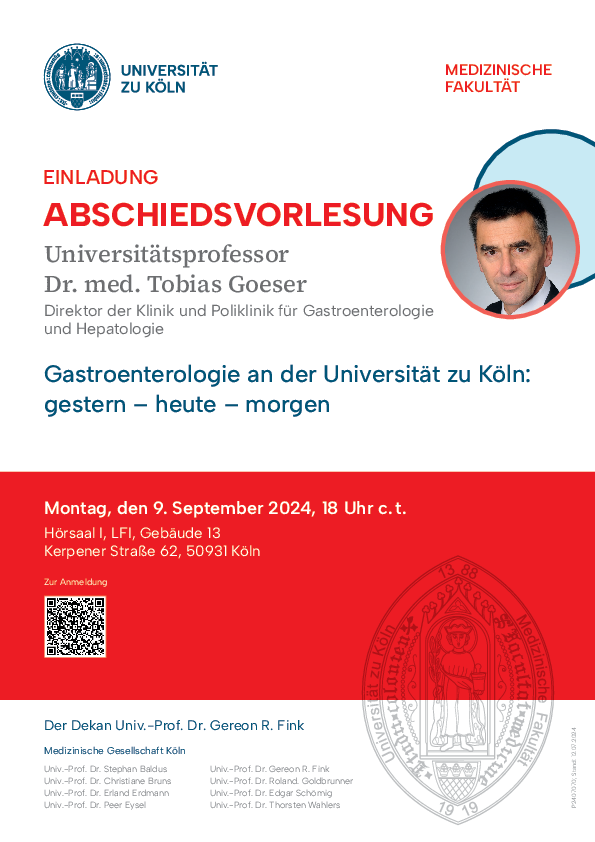
Farewell lecture Univ.-Prof. Dr. med. Tobias Goeser
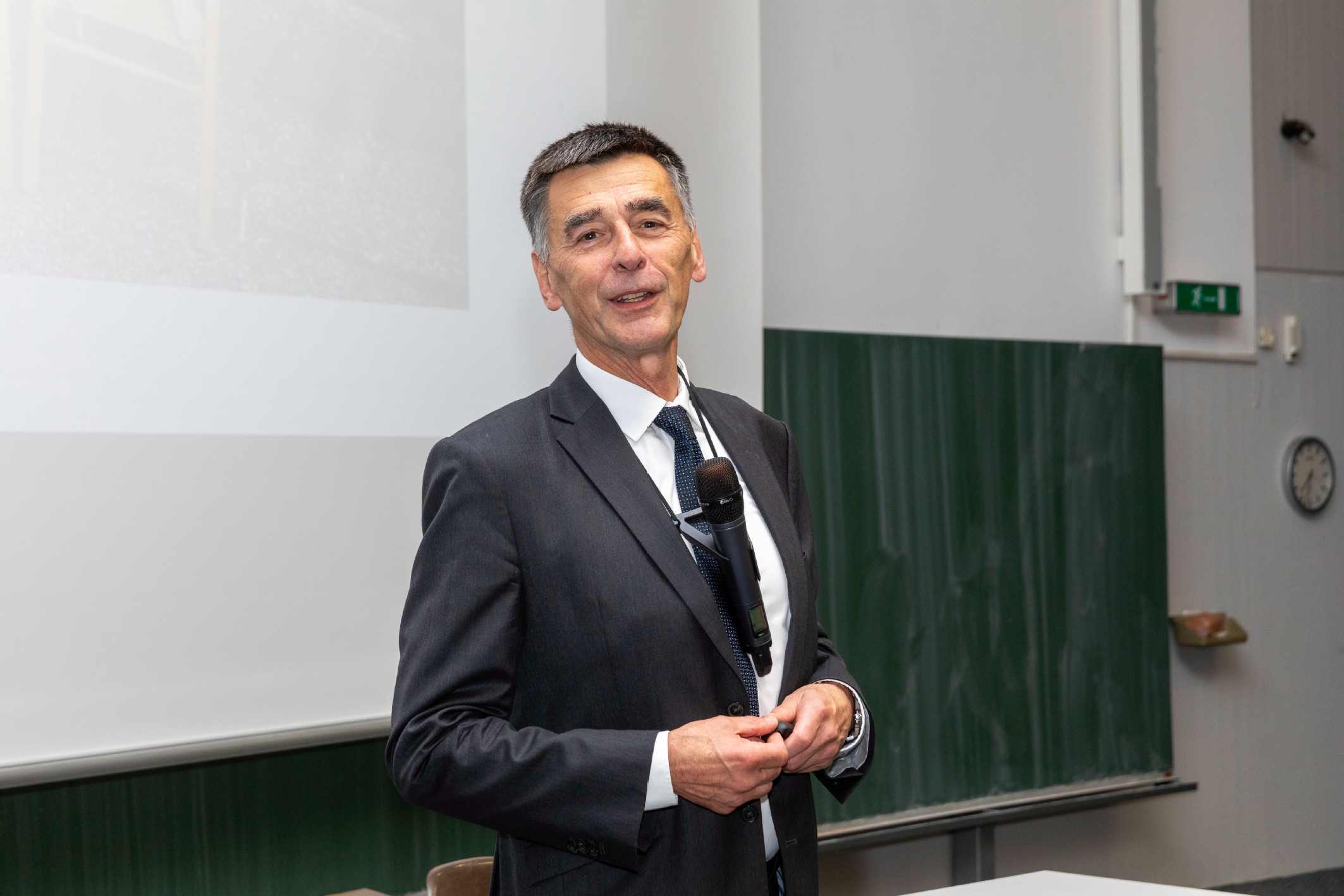
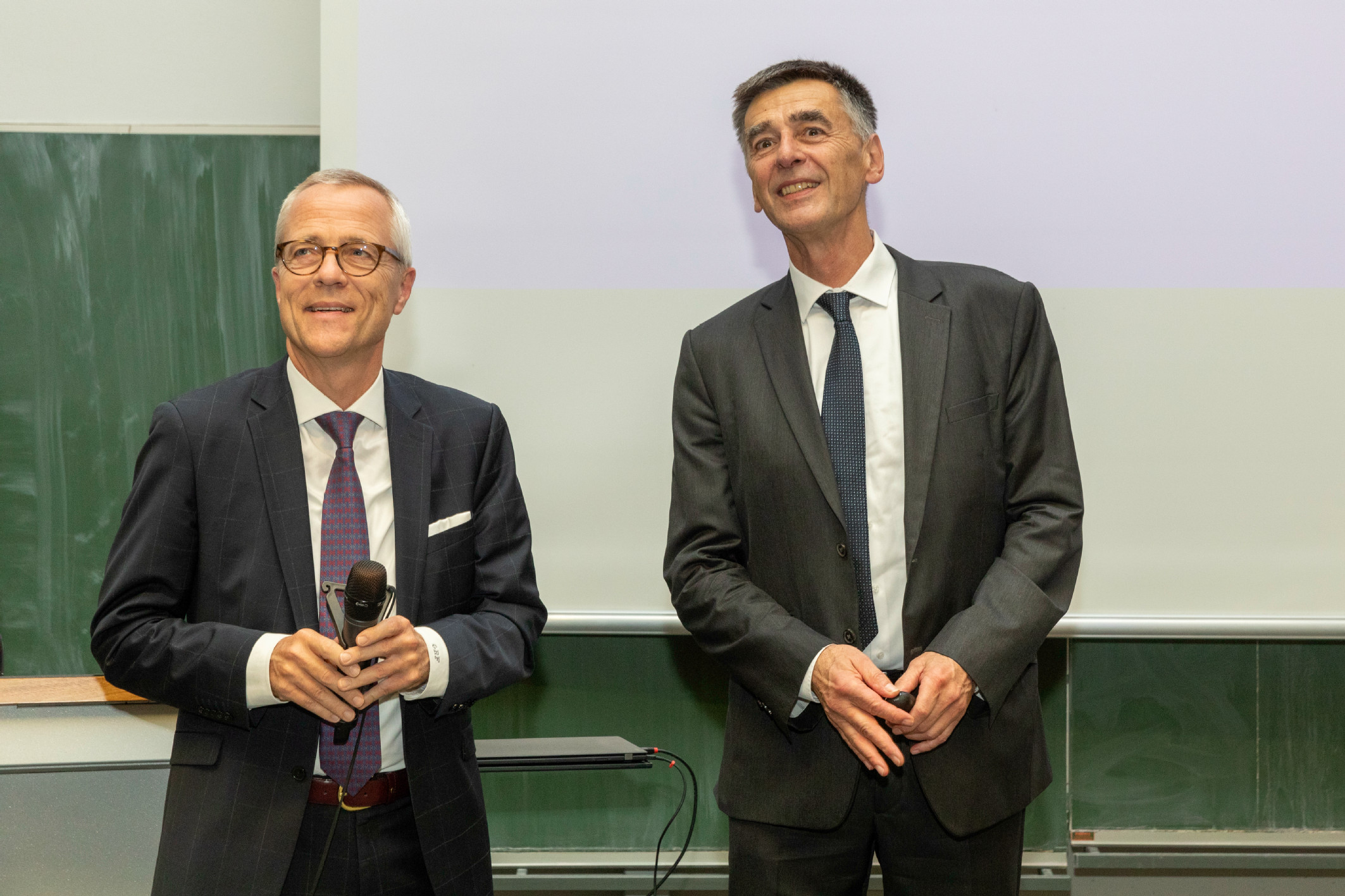
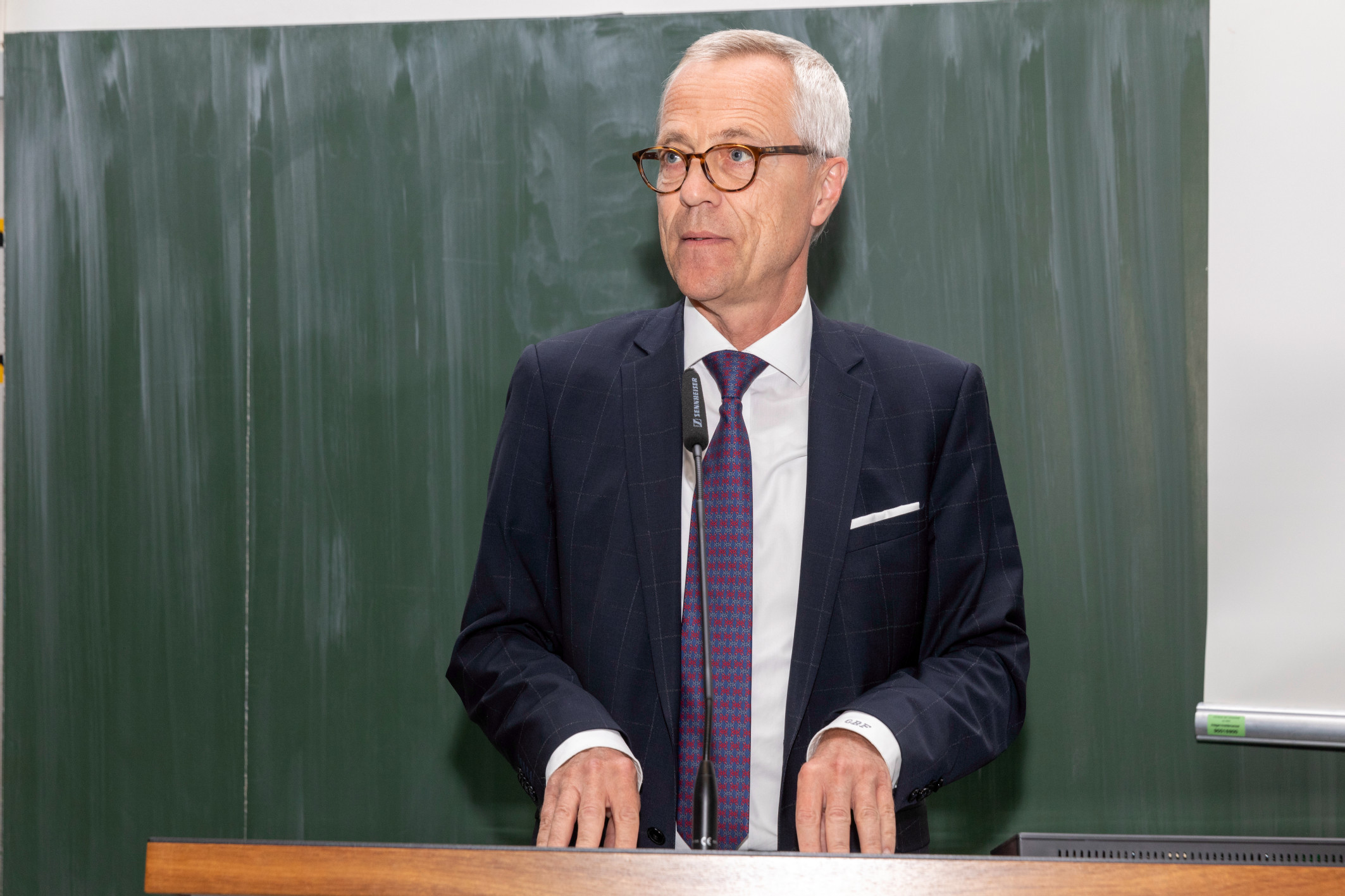

Prof. Dr. med. Tobias Goeser
Director of the Clinic and Polyclinic for Gastroenterology and Hepatology
on the topic
"Gastroenterology at the University of Cologne: yesterday - today - tomorrow"
Prof. Dr. med. Tobias Goeser was appointed to the Faculty of Medicine 27 years ago and, as Director, has built up the Clinic and Polyclinic for Gastroenterology and Hepatology into one of the best specialist clinics in Germany. Gastroenterology is a branch of internal medicine and deals with the diagnosis, treatment and prevention of diseases of the gastrointestinal tract and the associated organs liver, gallbladder and pancreas. As the powerhouse of the body, problems with the digestive organs often lead to serious illnesses, with 61,000 people dying from them every year in Germany. In his farewell lecture, Prof. Dr. med. Tobias Goeser will shed light on the rapid developments within his field.

Farewell public lecture
Farewell lecture by Prof. Dr. med. Konrad Brockmeier


Prof. Dr. med. Konrad Brockmeier
on the topic
"My last lecture: 21 years of pediatric cardiology"
Article on the farewell in the Kölnische Rundschau
Event photos: Dorothea Hensen, MedizinFotoKöln